안전한 모니터링
안전한 모니터링
Patient safety is a way to ensure that the people undergoing medical care are safe. There are various initiatives such as safe operation of medical equipment and staff education. We Nihon Kohden are also focusing on building an environment where patients can concentrate on treatment with peace of mind through medical devices and systems, and an environment where staff can respond quickly without missing patient alerts.
1. Remote Monitoring
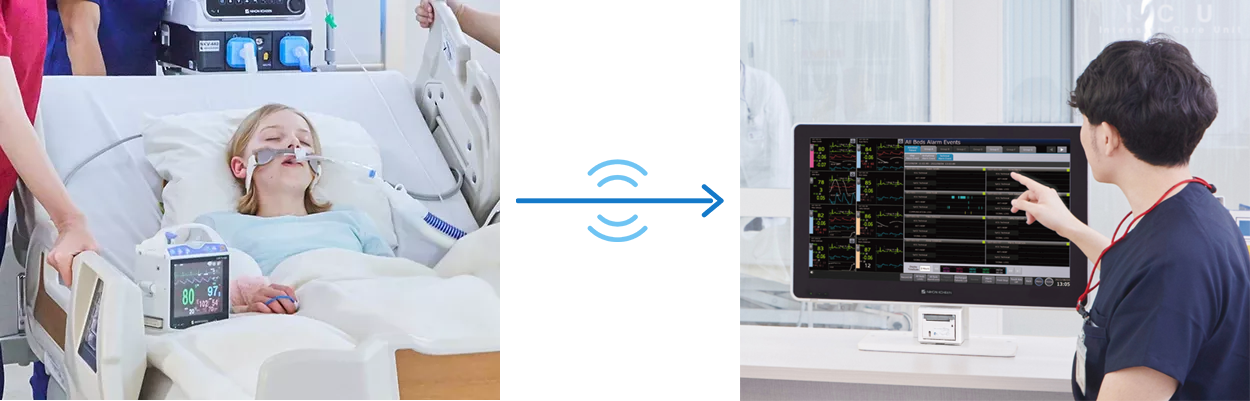
For critically ill patients, many devices are connected to critical care beds to ensure that sufficient patient management is possible. However, there are cases where the equipment cannot be carried easily or where there are few personnel at the time of transportation, although in-hospital transportation is a common task.
As a result, it was reported that 68% of in-hospital transports involve critical events, of which 9% were life-threatening events.1 Nihon Kohden offers products which provide patient vitals in real time and seamlessly even during hospital transportation, contributing to both patient and medical safety.
1 Papson JP,Russell KL, Taylor DM:Unexpected events during the intrahospital transport of critically ill patients. Acad Emerg Med 14:574-577,2007
Have you ever felt ...
the need to view real-time patient data while you are away from the nursing station or the bedside?
Nihon Kohden's solution
Remote Visibility, Continuous Awareness
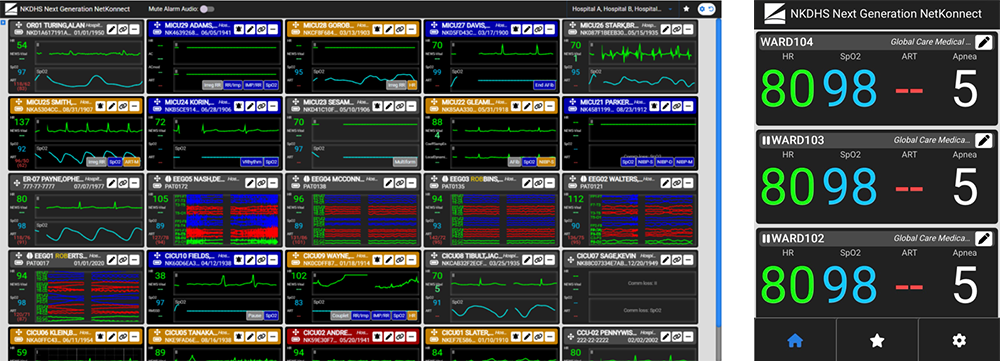
Safety shouldn't be confined to a single location. With NetKonnect, real-time waveforms and patient data are accessible via web browsers throughout your facility, ensuring constant vigilance wherever you are.
Have you ever experienced...
a situation where a patient was continuously monitored during transport, but the vital signs could not be viewed at the central monitoring station or nursing station?
Nihon Kohden's solution
Seamless Patient Monitoring During Transport at the Nurse Station
You can see real-time patient vitals during transportation. It enables quick instructions and treatment in the event of a sudden change in the patient condition.
2. Early Detection
Early detection, recognizing the symptoms of any disease as early as possible and promptly receiving proper treatment will prevent the symptoms from worsening and lead to early recovery.
We assist hospital staff to quickly determine a treatment plan when sudden changes occur in the condition and symptoms of patients.
2-1. NCSE (Non-convulsive status epilepticus)
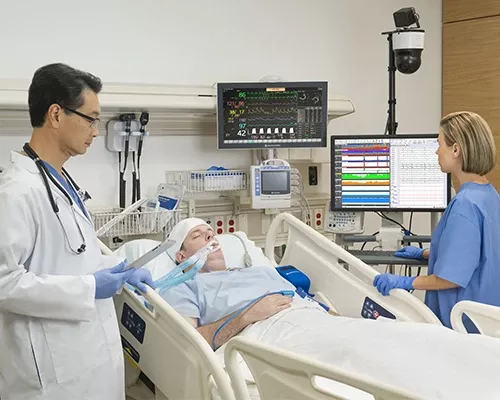
EEG monitoring is increasingly important in neurointensive care. It is said that early intervention in NCSE reduces the risk of secondary brain injury and clinical symptoms and EEG monitoring with real waveforms is therefore important for early detection of NCSE.
Do you feel...
when using electroencephalographs (EEG) that it is difficult to attach electrodes and you cannot measure immediately?
Nihon Kohden's solution
Anyone can apply EEG quickly
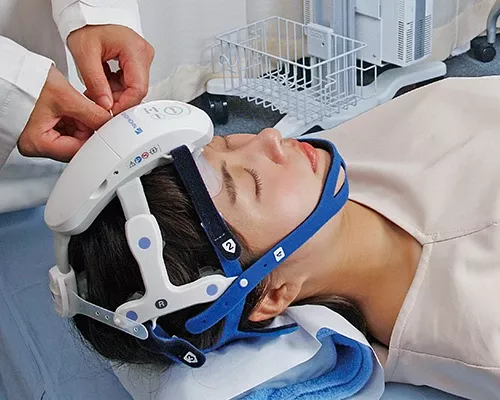
Nihon Kohden’s EEG headset AE-120P is portable, can be worn without skin preparation and is noise-robust. The award-winning design allows for setup and acquisition within 5 minutes. Also, it is battery-powered, so it is always ready to use without the need for recharging.
Do you think...
that measuring and interpreting EEG requires the assistance of an electroencephalographer?
Nihon Kohden's solution
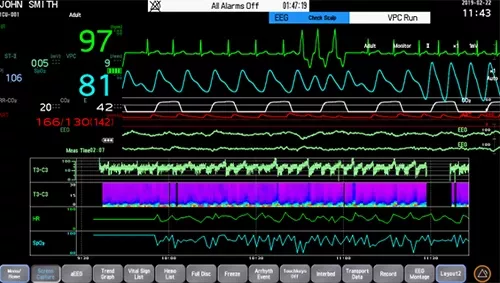
EEG with vital signs
In addition, it can connect to bedside monitors and EEG can be displayed on them. By connecting the headset to a monitor, EEG can be visualized and so be performed while monitoring the vital signs.
2-2. EWS (Early Warning Score)
Sudden changes in patients are physically and psychologically stressful for caregivers.
In a study1 of iatrogenic events that occurred during a specific time period in five hospitals in England, 77% of iatrogenic events were preventable and 80% were considered to have caused or contributed to hospitalization.
1 Garry, D.A., McKechnie, S.R., Culliford, D.J., Ezra, M., Garry, P.S., Loveland, R.C., Sharma, V.V., Walden, A.P., Keating, L.M. and (2014), A prospective multicentre observational study of adverse iatrogenic events and substandard care preceding intensive care unit admission (PREVENT). Anaesthesia, 69: 137-142. https://doi.org/10.1111/ anae.12535
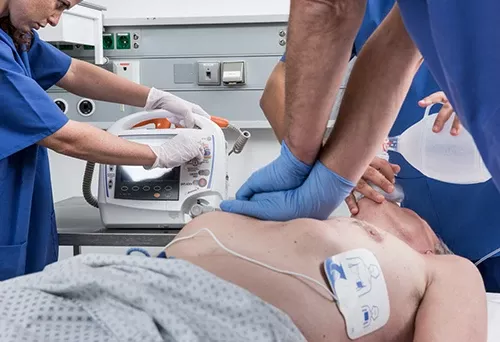
Have you ever had...
unexpected ICU admission caused by mismanagement of patient deterioration?
Voices from the caregivers
- It's hard to say with confidence that the patient's condition is deteriorating even if you feel that the patient looks “unusual”.
Nihon Kohden's solution
A simple indicator of patient condition
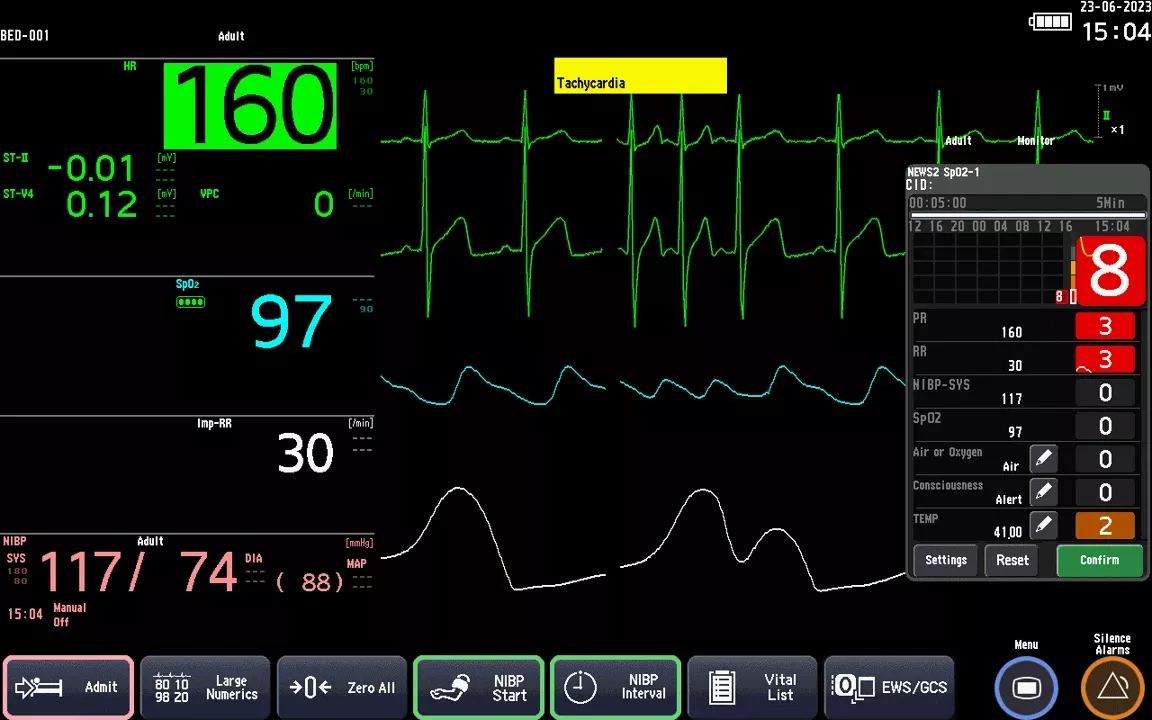
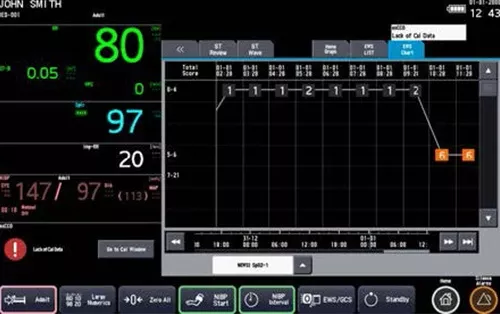
It is important to notice signal symptoms as quickly as possible. Nihon Kohden’s EWS function can display the actual index on the home screen. Also, the EWS chart window helps to visualize changes in a patient’s EWS.
2-3. Predictive Risk Assessment
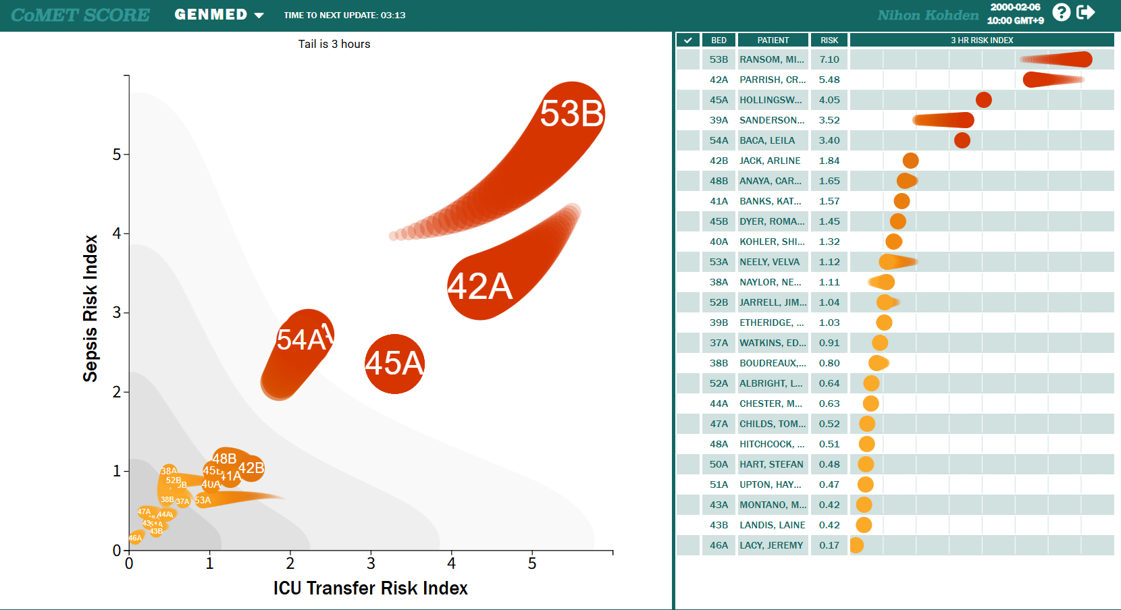
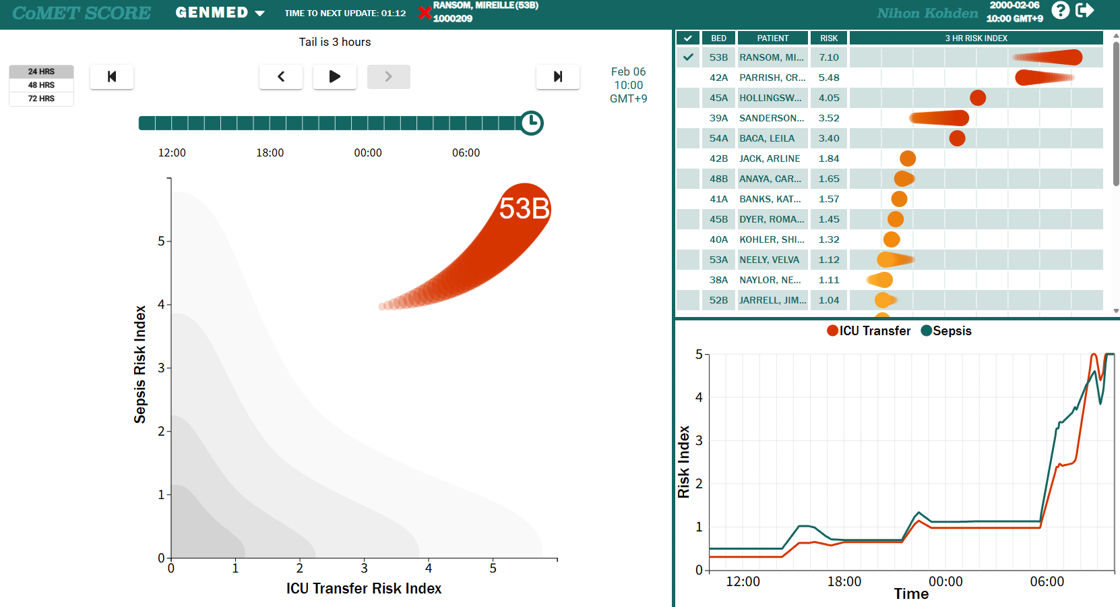
Patient deterioration is often preceded by subtle physiological changes that are difficult to detect. Visualizing risk trends can provide earlier insight into patient instability and support more proactive clinical decision-making.
Have you ever wished...
for a way to foresee patient deterioration before it becomes an emergency?
Voices from the caregivers
- CoMET helps us recognize clinical deterioration earlier by integrating physiological signals into a clear trajectory, making it easier to support timely intervention and improve decision-making in the ICU.
Nihon Kohden's solution
Anticipate deterioration before it becomes critical
True safety lies in anticipating the next clinical event. Our CoMET solution visualizes the risk of patient deterioration, empowering you to intervene earlier and with greater confidence.
3. Silent Environment
The hospital rooms at each site are not only a place to treat patients, but also a place to live. In other words, it is very important to create an environment where patients can spend their time safely and securely. For patients, an uncomfortable environment can cause stress and drain their energy.
By having medical staff focus on creating an environment suitable for each patient, it reduces the patient's stress and allows the patient to focus on healing. It is important to improve the environment for patients to recover.
3-1. Alarm Optimization
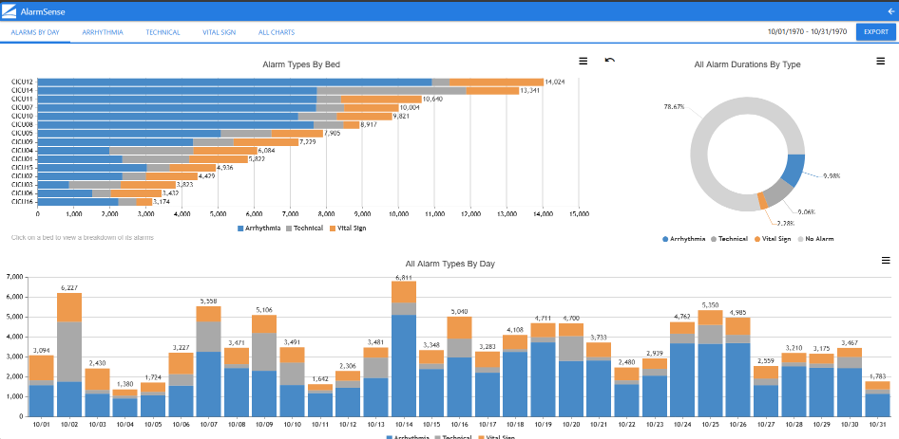
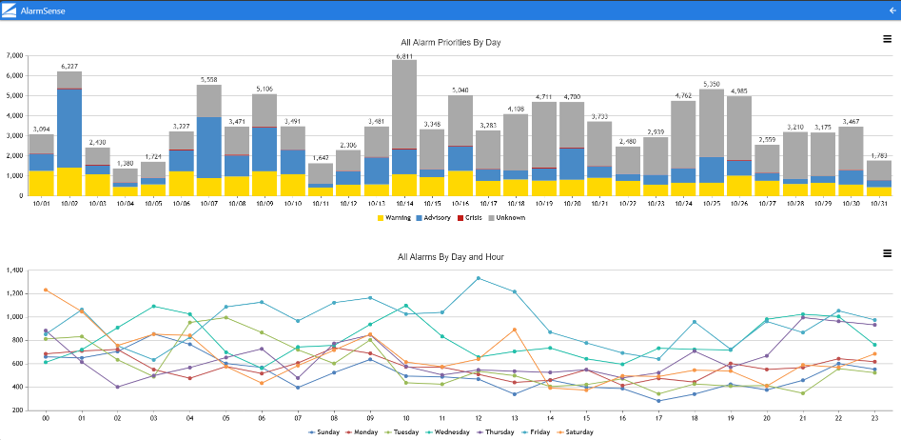
Reducing alarm fatigue requires more than simply adjusting alarm settings. By analyzing alarm patterns and response behaviors, healthcare organizations can identify non-actionable alarms, optimize monitoring practices, and create a safer, less disruptive care environment for both patients and caregivers.
Have you ever worried...
‘alarm fatigue' might cause your team to miss a critical clinical event?
Voices from the caregivers
- We are overwhelmed by alarms. Nurses need an efficient, low-effort way to optimize alarm settings for each patient based on their specific condition and clinical environment.
Nihon Kohden's solution
Reducing non-actionable alarms requires objective analysis
AlarmSense identifies non-actionable alarms and response patterns, providing the data you need to fine-tune your monitoring environment for true patient safety.
3-2. Alarm management
Alarm management functions and systems provide the best care
There are various alarms such as respiratory alarms, nurse calls, and patient monitor alarms around the nurse's station and patient bed, and medical staff are busy dealing with many alarms.
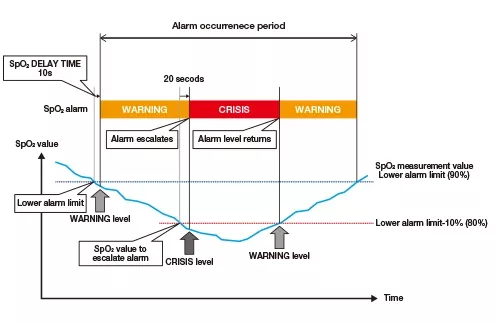
Managing alarms effectively addresses two main issues: reducing false alarms and optimizing workflows when alarms are triggered.
In addition, proper alarm management minimizes alarm fatigue for medical staff. This improves efficiency, and ultimately improves patient safety and quality of care.
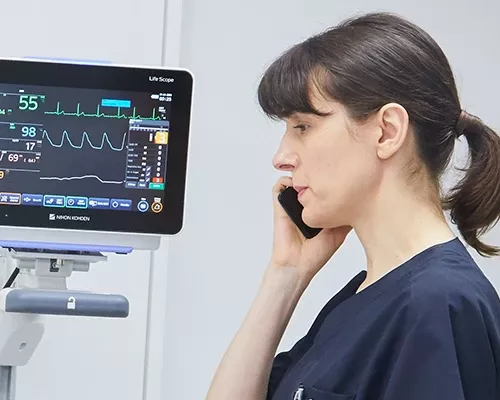
How do you deal with...
the inevitable alarms that go off during an inspection or a patient's routine activities? Are there frequent technical alarms or specific alarms?
Voices from the caregivers
- Alarms inevitably sound when treating patients...
- I want to get a general overview of the patient's condition during the nurse's check-in...
- Technical alarms occur frequently, but I cannot determine if they are due to vital data…
Nihon Kohden's solution
Make the environment as silent as possible
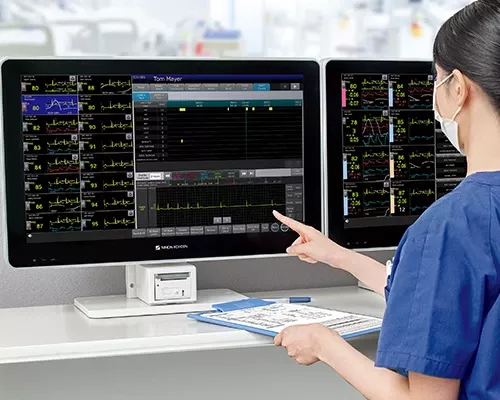
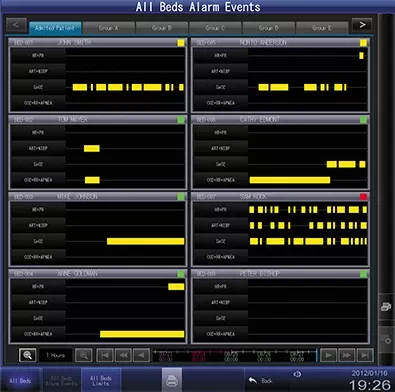
Nihon Kohden monitors are equipped with features that reduce unnecessary alarms. The use of the All Beds Alarms Event function on the central monitor allows the user to check the time and type of alarms that have occurred for each patient—appropriate changes to alarm settings and other actions can be taken.
In addition, the alarm paused function allows the monitor to temporarily pause alarms, creating a silent environment when treating patients.
Are you bothered...
by too many alarms on your monitor?
Voices from the caregivers
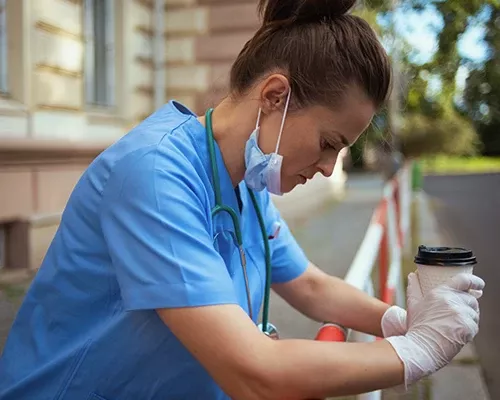
- Responding fatigue due to frequent monitor alarms, and an extra burden when there is a shortage of staff depending on the working hours.
- The alarm goes off too much and you can't concentrate on your work.
- Even after returning home after work, the sound of the monitor alarm remains like ringing in the ears, which is stressful.
Nihon Kohden's solution
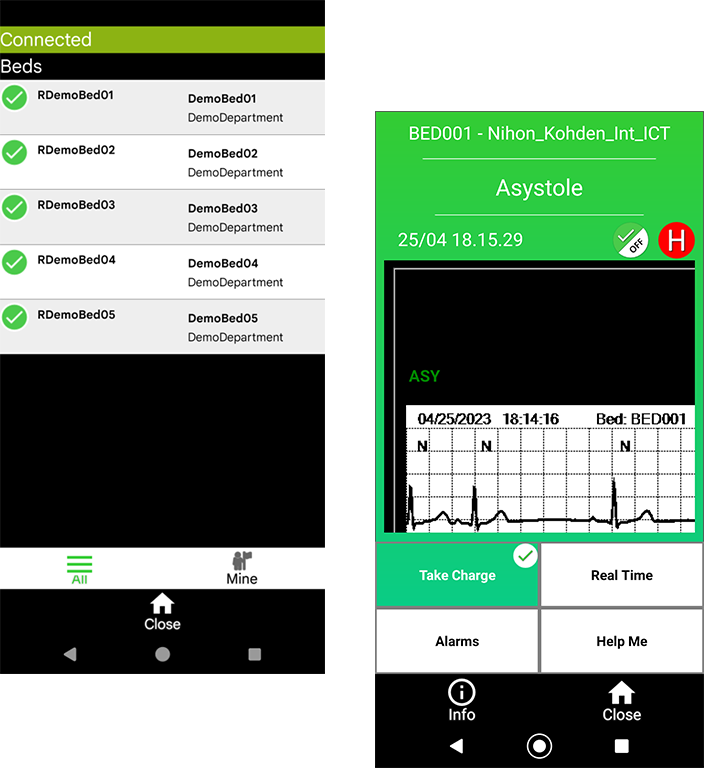
Enterprise Gateway + SmartLink/SmartPager support you!
SmartLink notifies your smartphone of serious alarms, so you can respond after confirming the vital information (numerical values and waveforms) of the actual patient.
SmartLink makes it possible to respond accurately in the event of a false alarm and reduces unnecessary actions and time spent moving between the hospital room and the nurse station.
Integrated Data Infrastructure
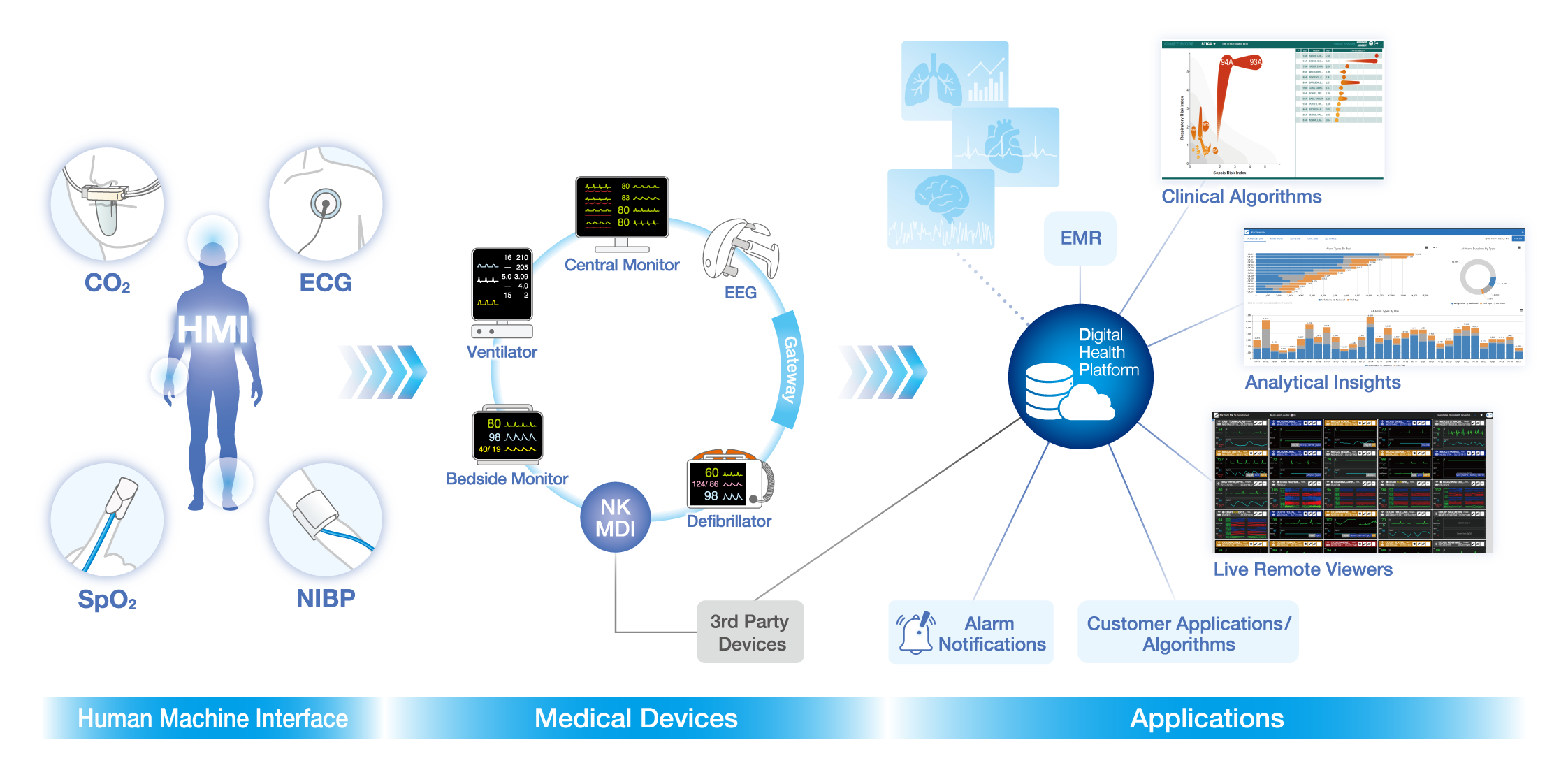
The foundation of a safe monitoring ecosystem is a seamless flow of information. The DHP (Digital Health Platform) integrates data from bedside monitors, ventilators, and clinical systems, enabling intelligent applications to deliver a holistic view of patient care.